Important Figures
Women
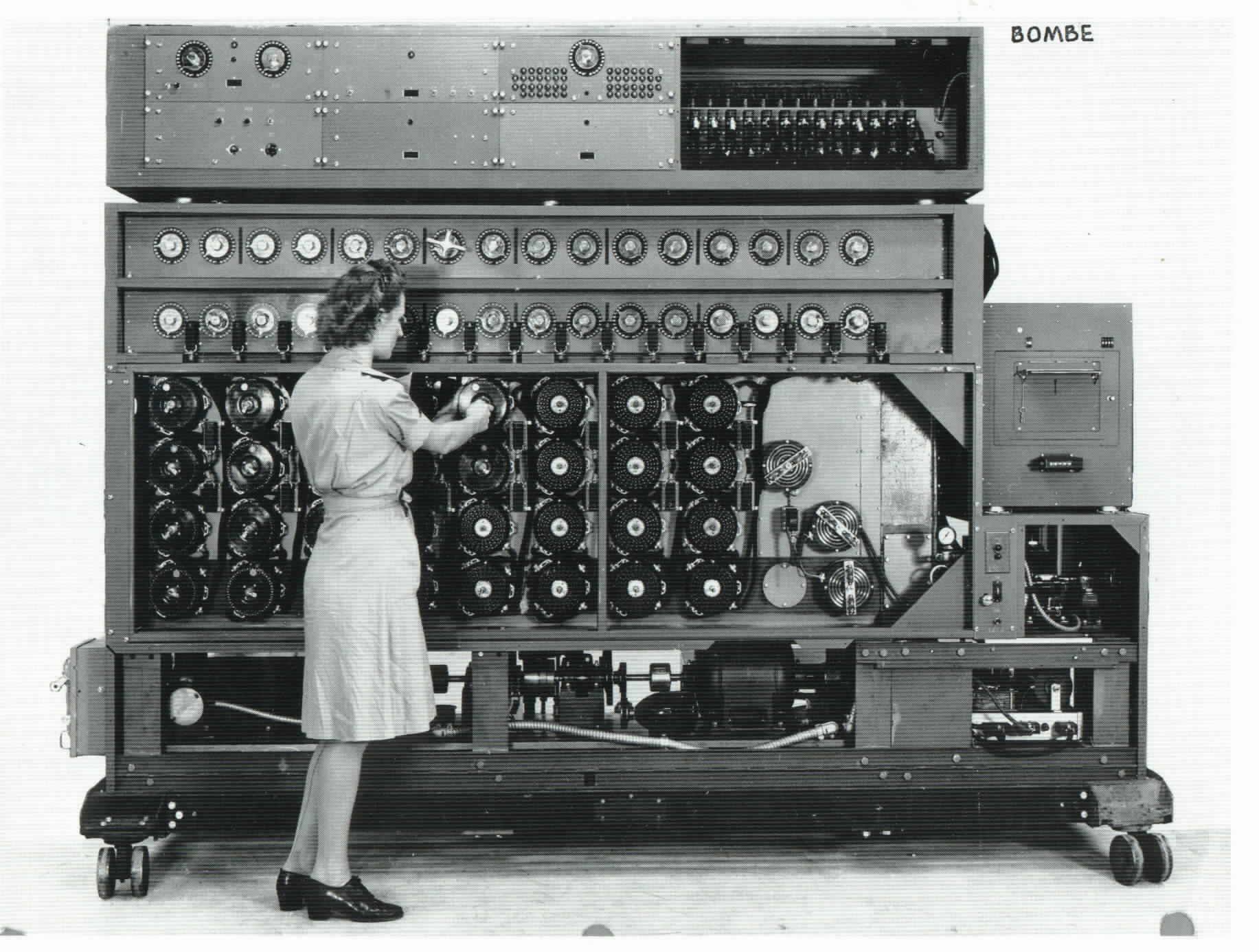
“Navy WAVE working on US Navy Cryptanalytic Bombe.” US Government courtesy of the National Cryptologic Museum.
Although there were no women cryptanalysts, Women Accepted for Volunteer Emergency Services (WAVES) played an important role at Bletchley Park by operating the Bombe machines (Wilcox 2002, 29-30).
“‘One thing I remember was that during night shifts the Enigma machine was the only warm thing about, so we used to wash our smalls and hang them around it to dry.’”
[NOTE: The “Enigma Machine” Balfour refers to was the British Bombe.]
– Elizabeth Balfour, WREN (Women’s Royal Naval Service) at Bletchley Park.
Marian Rejewski
Marian Rejewski was a Polish cryptanalyst who worked to crack the Enigma machine from 1932 to 1939. With his colleagues, he developed the Bomba, the predecessor to the Bombe. He had developed breakthroughs with the Enigma which were later given to the Allies. The efforts Rejewski made to crack the Enigma later helped the Allies significantly with breaking the Enigma machine (Marian Rejewski 2014).
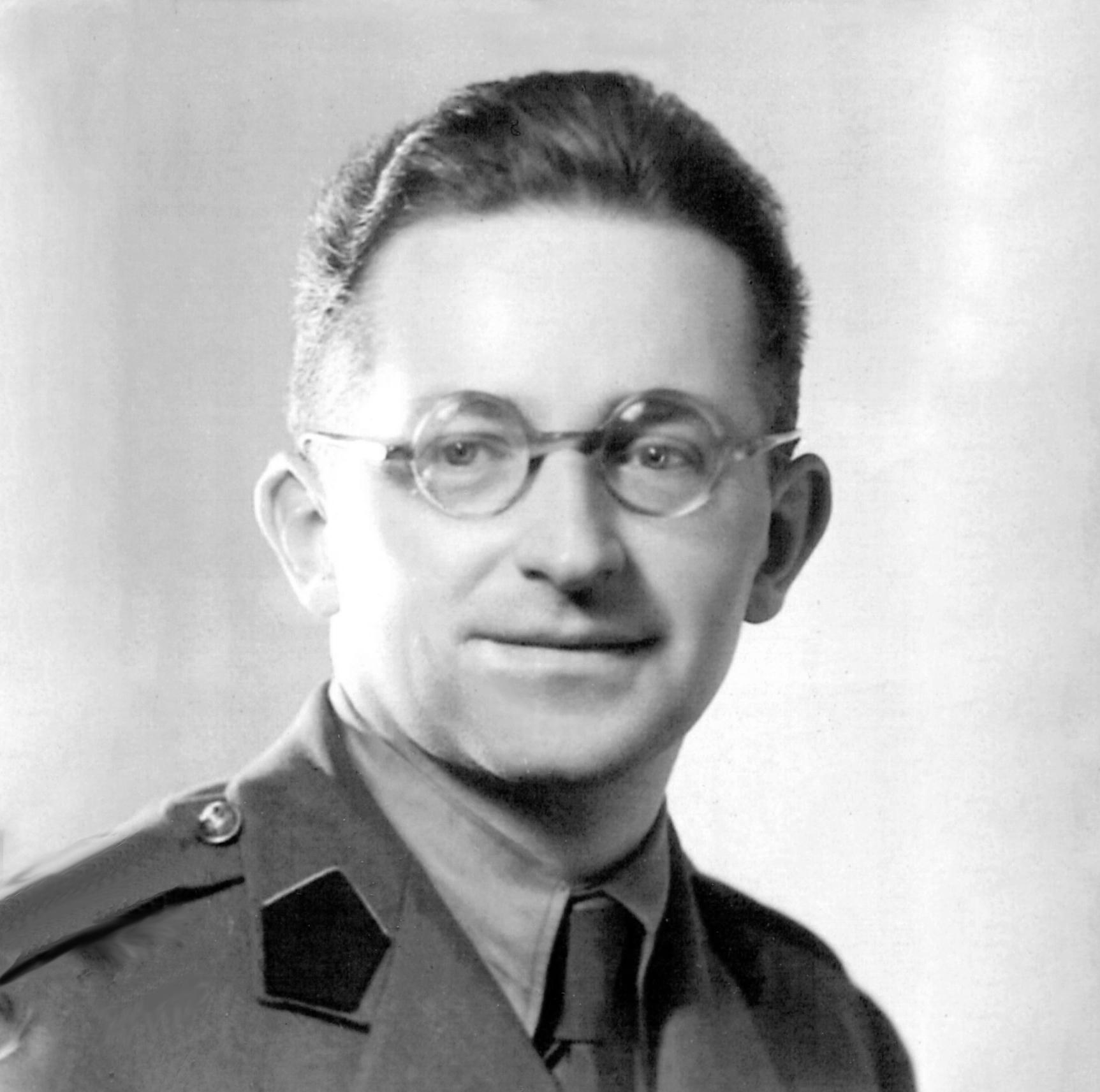
“Marian Rejewski.” National Security Agency.
Alan Turing
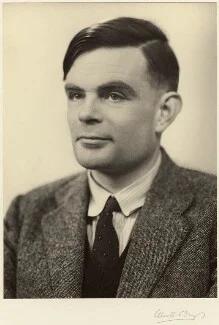
“Alan Turing.” National Portrait Gallery.
Alan Mathison Turing was born in London in 1912, and worked part-time at the Government Code and Cypher School before WWII. He worked as a cryptanalyst at Bletchley Park during the war, and made significant contributions to the Bombe. After the war, he was later arrested for homosexuality and committed suicide by cyanide poisoning in 1954 (How Alan Turing Cracked The Enigma Code).
Gordon Welchman
Gordon Welchman worked at Bletchley Park from late 1939. He was appointed Head of Machine Coordination and Development of Bletchley Park in 1943 (Gordon Welchman 2019).
He developed a diagonal board, which he presented to Alan Turing. With Turing, they worked together to create the first Bombe machine using Turing’s design with Welchman’s diagonal board (Wilcox 2002, 9).
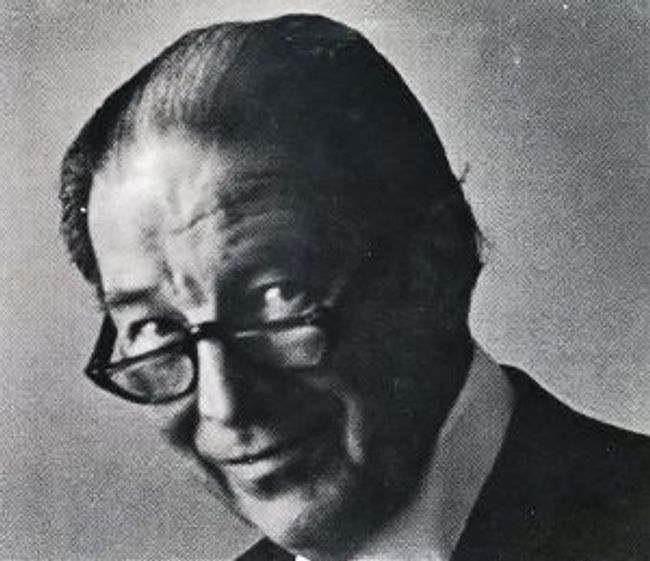
“Gordon Welchman.” GCHQ.